Many oils that we cook with wreak havoc on our health. Instead, reach for these healthy, high heat cooking oils and fats that are better for you and the soil.
Our team vetted and built this guide to spotlight the everyday fats we cook with—oils, tallow, and ghee—chosen for their positive impact on soil health, farmers, and your favorite dishes.
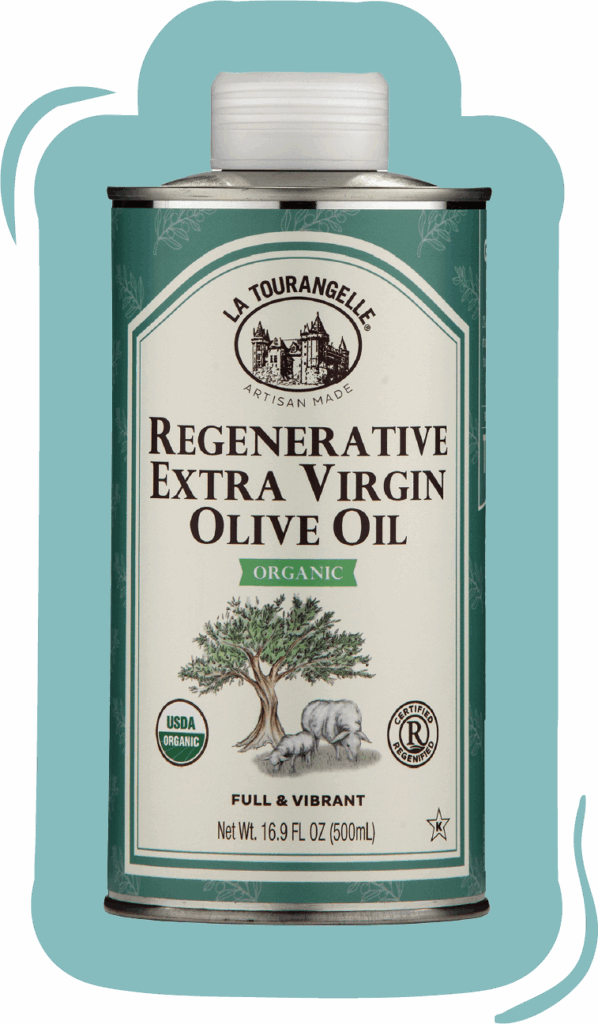
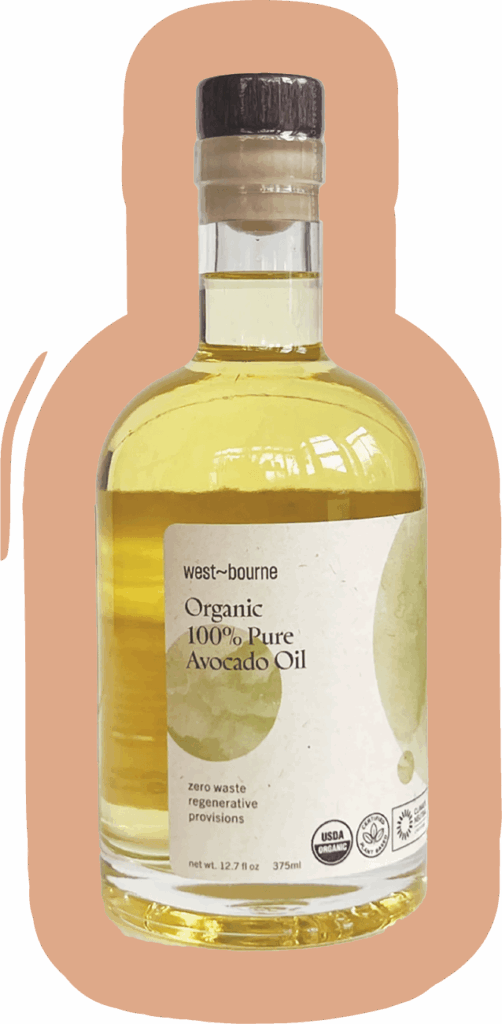
La Tournagelle’s wide range of oils include Pumpkin Seed Oil, Avocado Oil, and Regenerative Organic Certified Sunflower Oil. Each oil has its own recipe list.
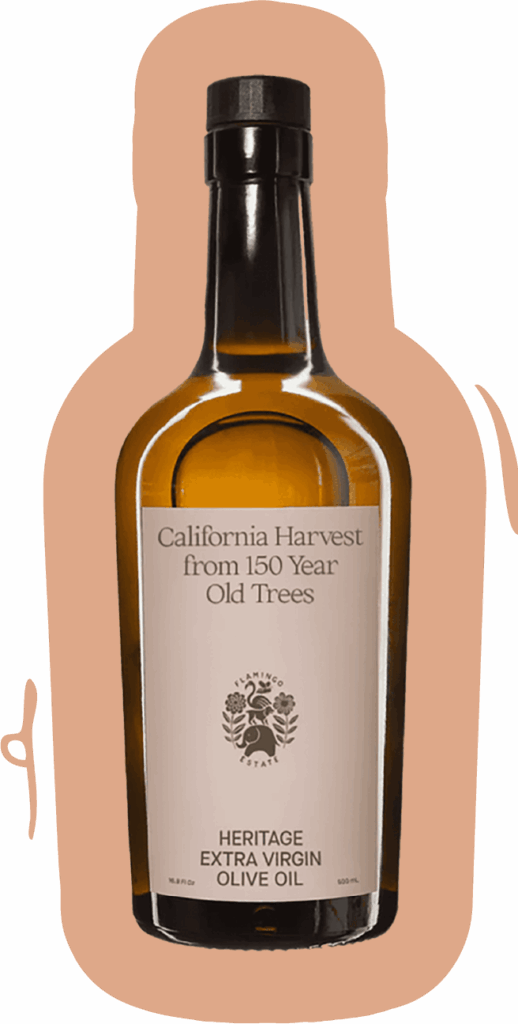
From 150-year old trees on a multi-generational family-run farm, Flamingo Estate’s olive oil is made by Philip Asquith, fourth-generation Olive farmer. He presses the olives right after harvest and uses the paste as a natural compost to fertilize his trees.
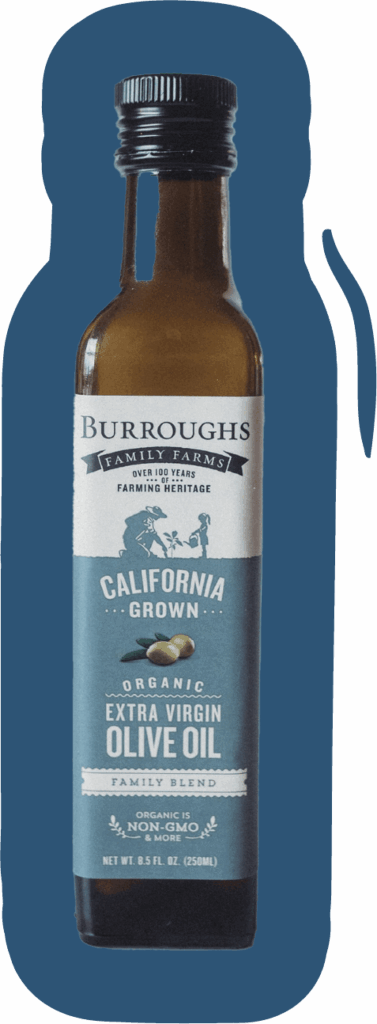
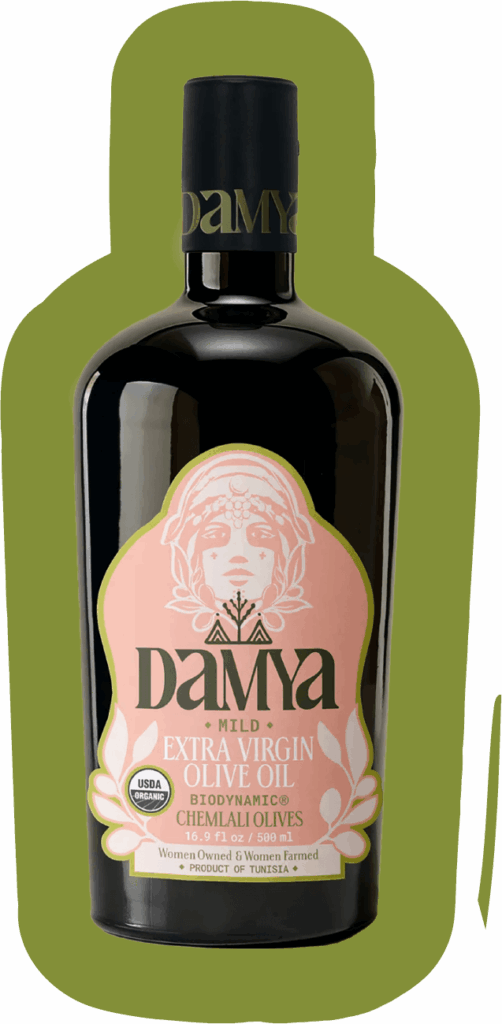
California Olive Ranch’s organic olive oil is tested by team experts and external certifiers to make sure it meets the highest standards for human health.
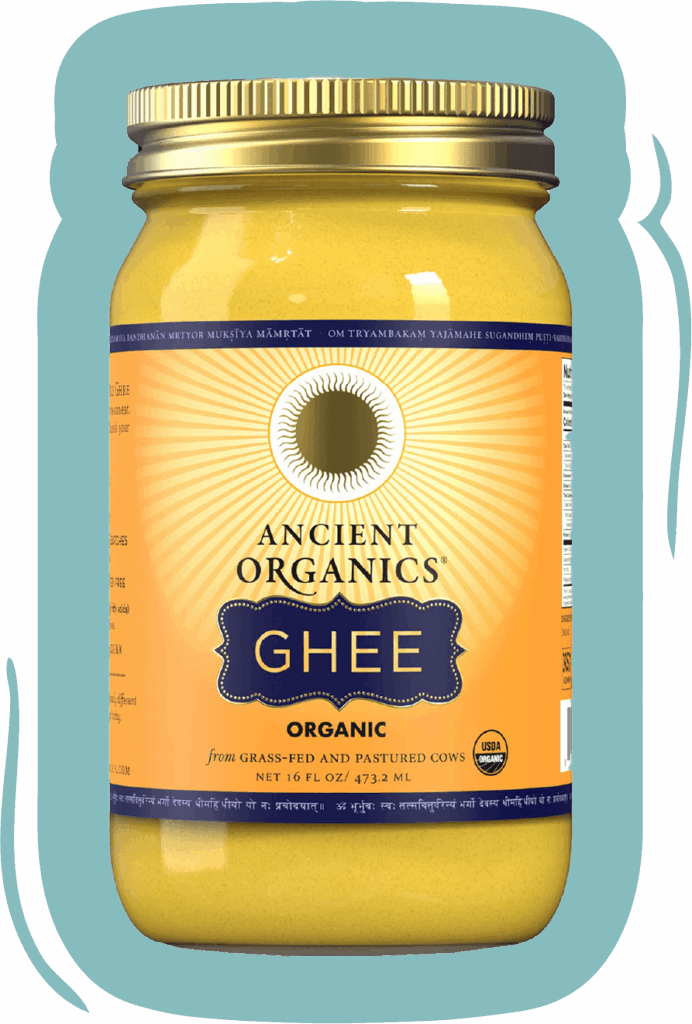
The “smoke point” is the temperature at which an oil begins to smoke. Cooking above it can degrade flavor and create harmful compounds. With high smoke points (around 400–450°F), ghee and tallow are ideal for high-heat cooking.
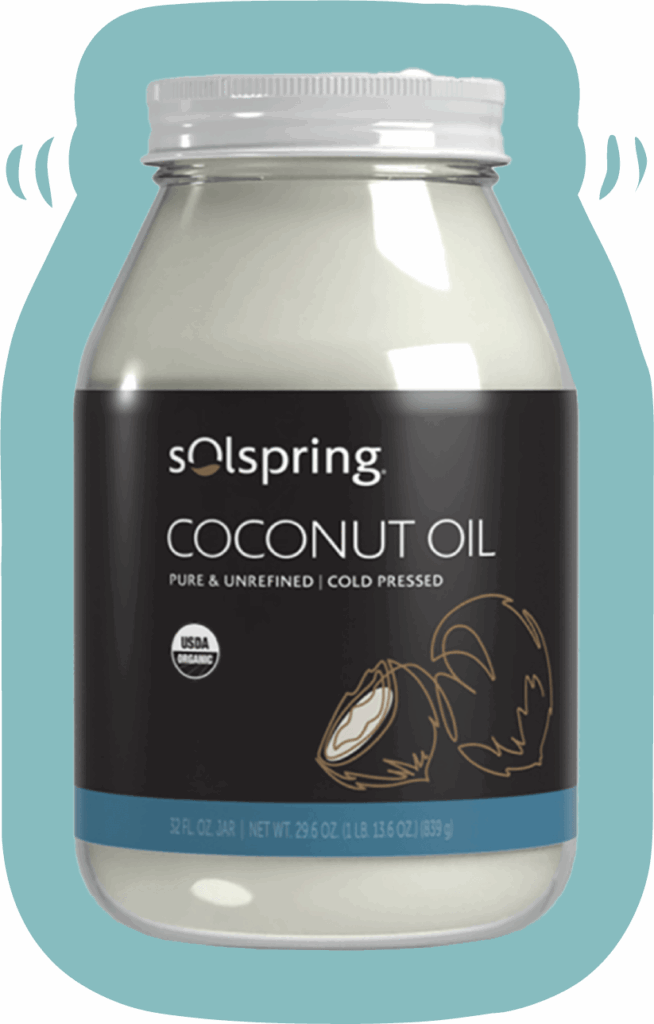
Sol Spring’s coconuts are opened and cold pressed within 48 hours of harvesting, ensuring tasty and healthy coconut oil.
Ghee and tallow have been used for thousands of years. When sourced from regeneratively raised animals, they can help heal grasslands. High-quality beef tallow comes from suet—the nutrient-rich fat around a cow’s kidneys—rendered into a clean, stable, and flavorful cooking fat.
Alysa Seeland, founder of Fond, grew up playing on her grandparent’s conventional farm. She set out to change the narrative and created the first verified regenerative tallow.
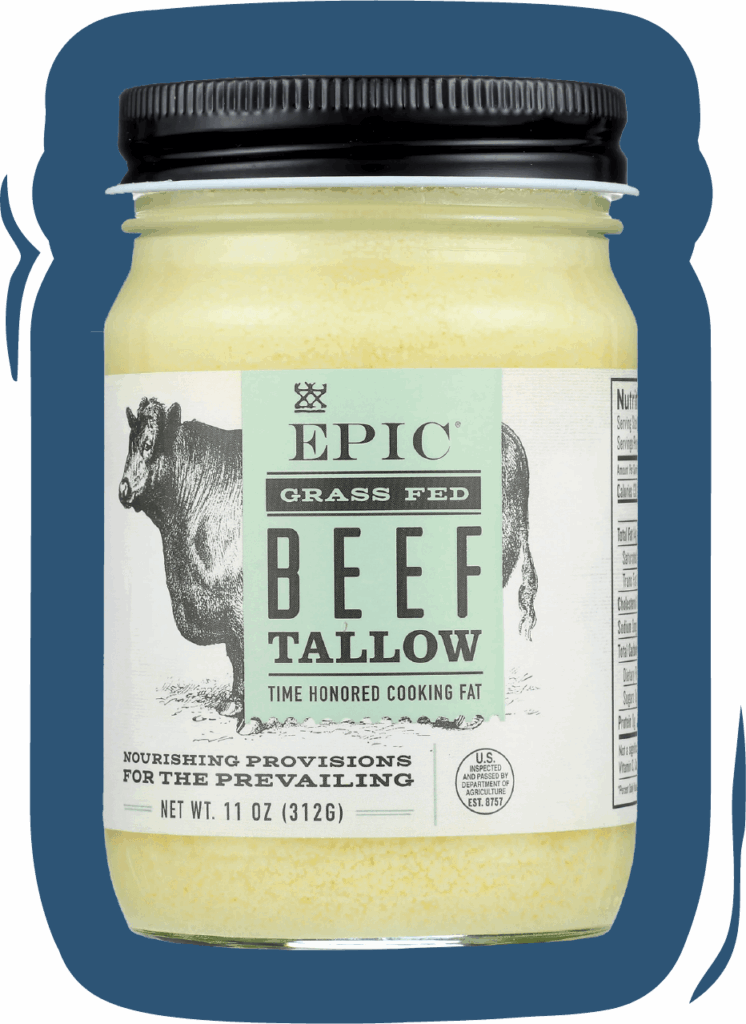
One awesome burger bite led to Epic Provisions. Their beef tallow is 100% grass-fed and the key ingredient to their website recipes like roasted cauliflower and shepard’s pie.
How To: Render Suet into Beef Tallow, Don’s Crockpot Method
You’ll Need:
2–3 lbs beef suet (fat from around the kidneys/loins of the cow)
(Optional) ½ cup of water, which helps prevent scorching at the start and cooks off during rendering
Directions:
Rinse and dry the suet to remove any leftover bits of blood or tissue.
Chop into small pieces so it melts evenly.
Place directly into the crockpot on low heat. If using water, add now.
Cook slowly for 6–8 hours, stirring occasionally, until the fat has fully melted and only crisp cracklings remain. (P.S. Lightly salted cracklings are delicious!)
Strain through cheesecloth into glass jars, then let cool and solidify.
Store in the fridge. (You can also freeze the tallow if you can’t use it all right away.)
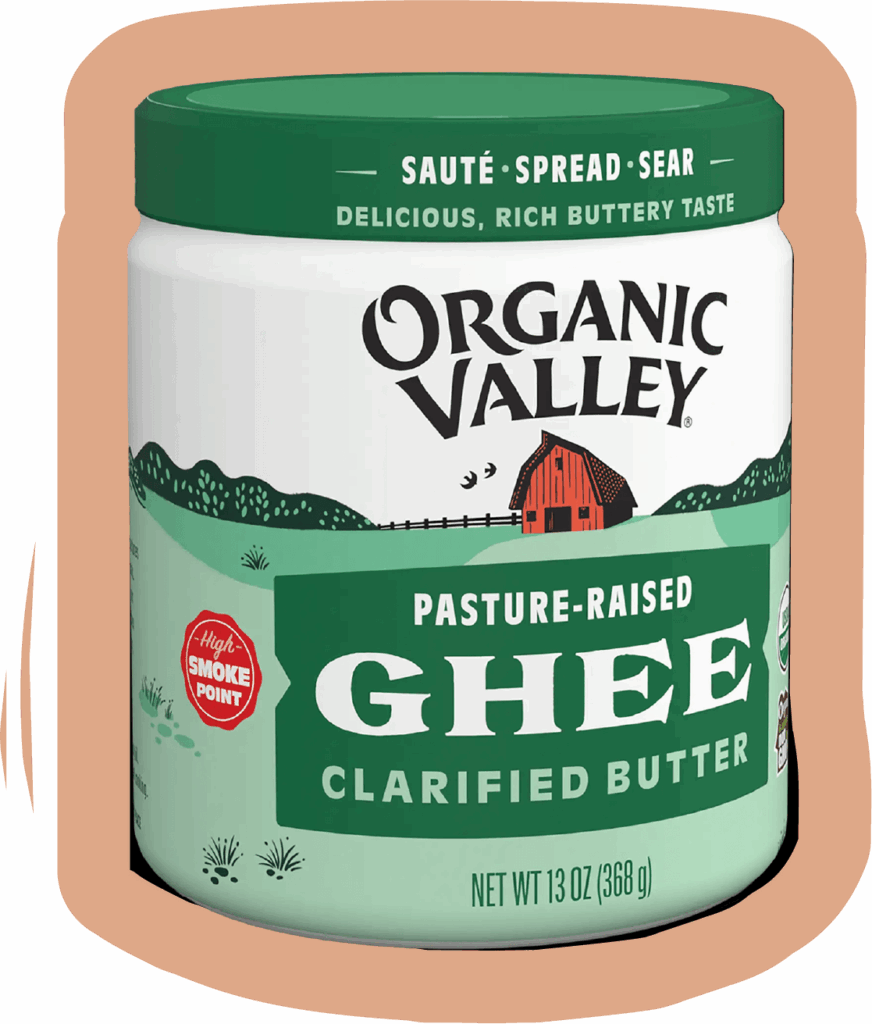
In 1988, Organic Valley began with Midwest family farmers fed up with the American agriculture system. The company is committed to protecting organic farmland.
What you cook your food in or on matters. Opt for pans made from stainless steel or cast iron, and avoid “non-stick” materials like teflon, as they can release toxic gases into the air and chemicals into your food that can harm your health.
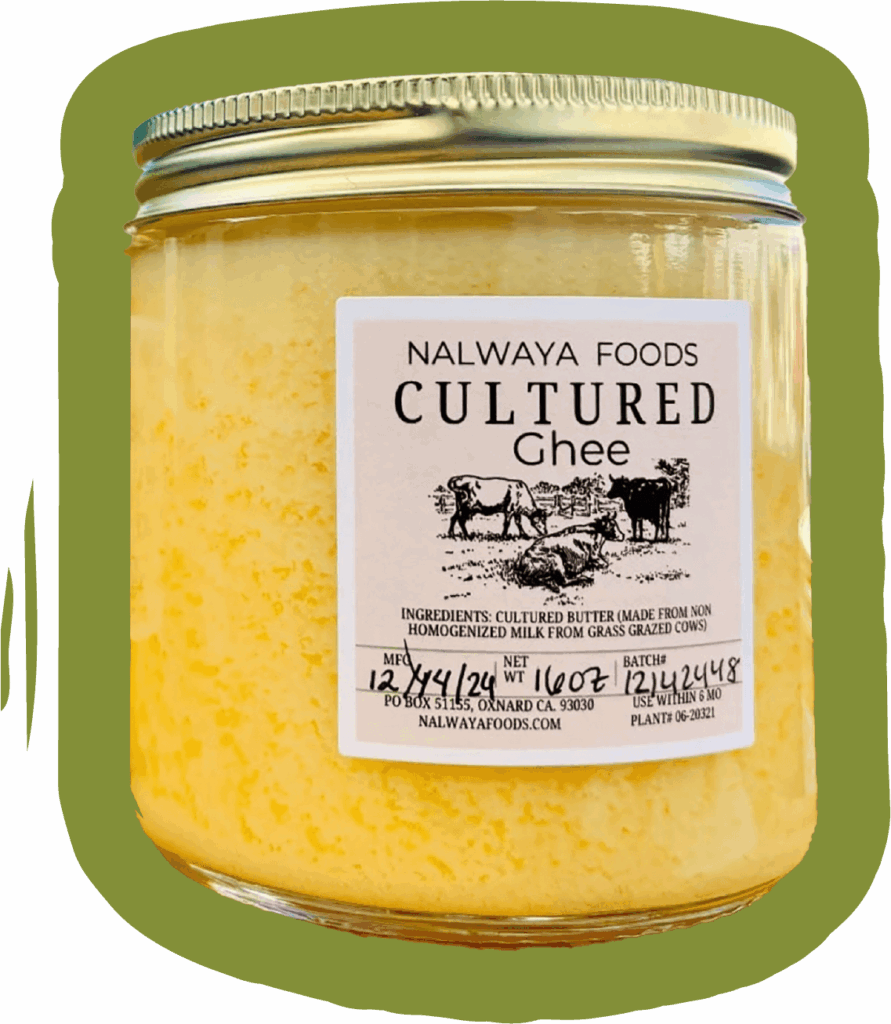
Each product Nalwaya Foods wife and husband duo create, including ghee, are grounded in regenerative farming, traditional fermentation, and modern science.
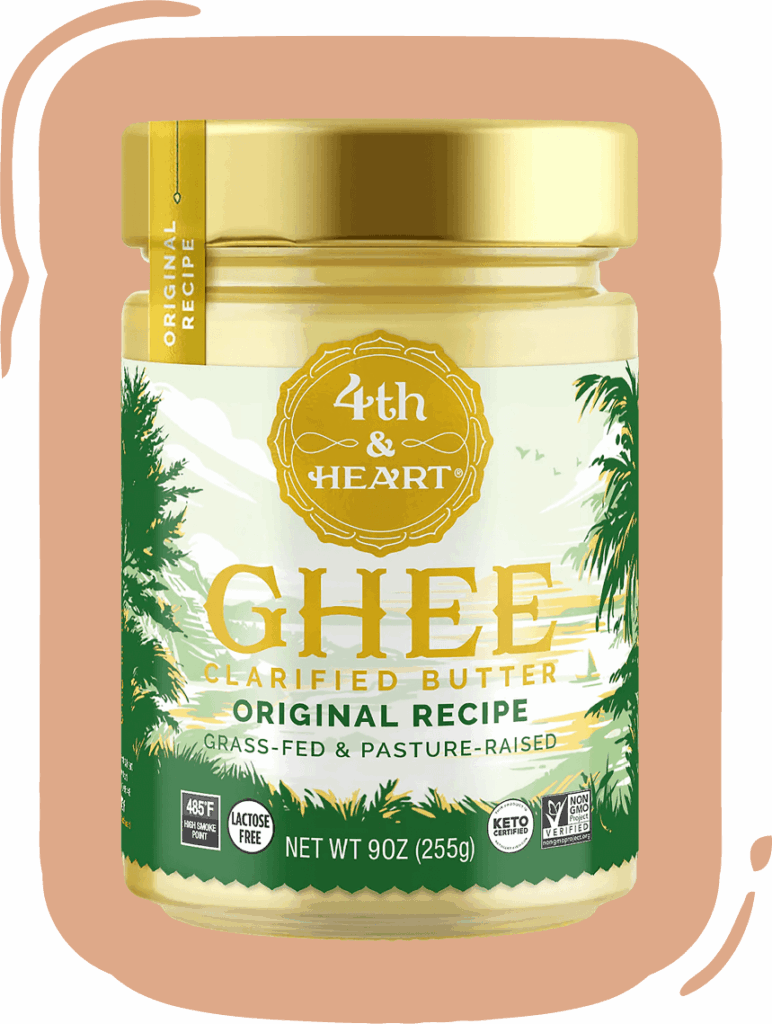
With a high smoke point of 485°F, 4th & Heart’s ghee is a versatile product for all kinds of cooking and baking. It is also lactose-free and full of Vitamin A.
Look for brands that are transparent about their sourcing and how their crops are grown.
Avoid products that have preservatives, fillers, and stabilizers.
For every $100 donated to Kiss the Ground, we inspire and catalyze the transition of 10 acres into regenerative agriculture, working directly with farmers and partners. Read our full impact here.