
In 11 questions and 11 minutes, Kiss the Ground CEO Evan Harrison interviews leaders pioneering Regeneration as they work towards advancing viable solutions for human and planetary health.
In 11 questions and 11 minutes, Kiss the Ground CEO Evan Harrison interviews leaders pioneering Regeneration as they work towards advancing viable solutions for human and planetary health.
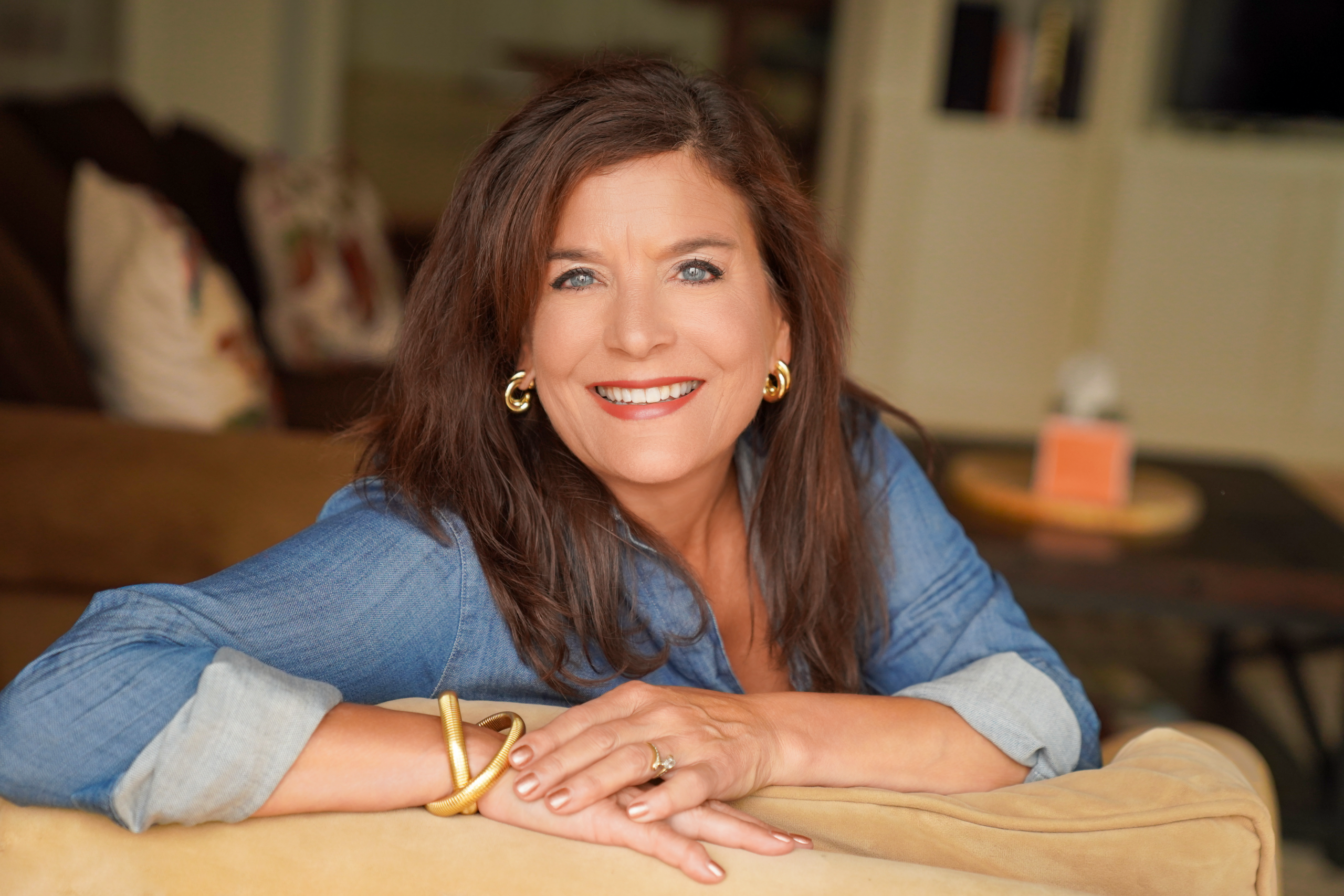
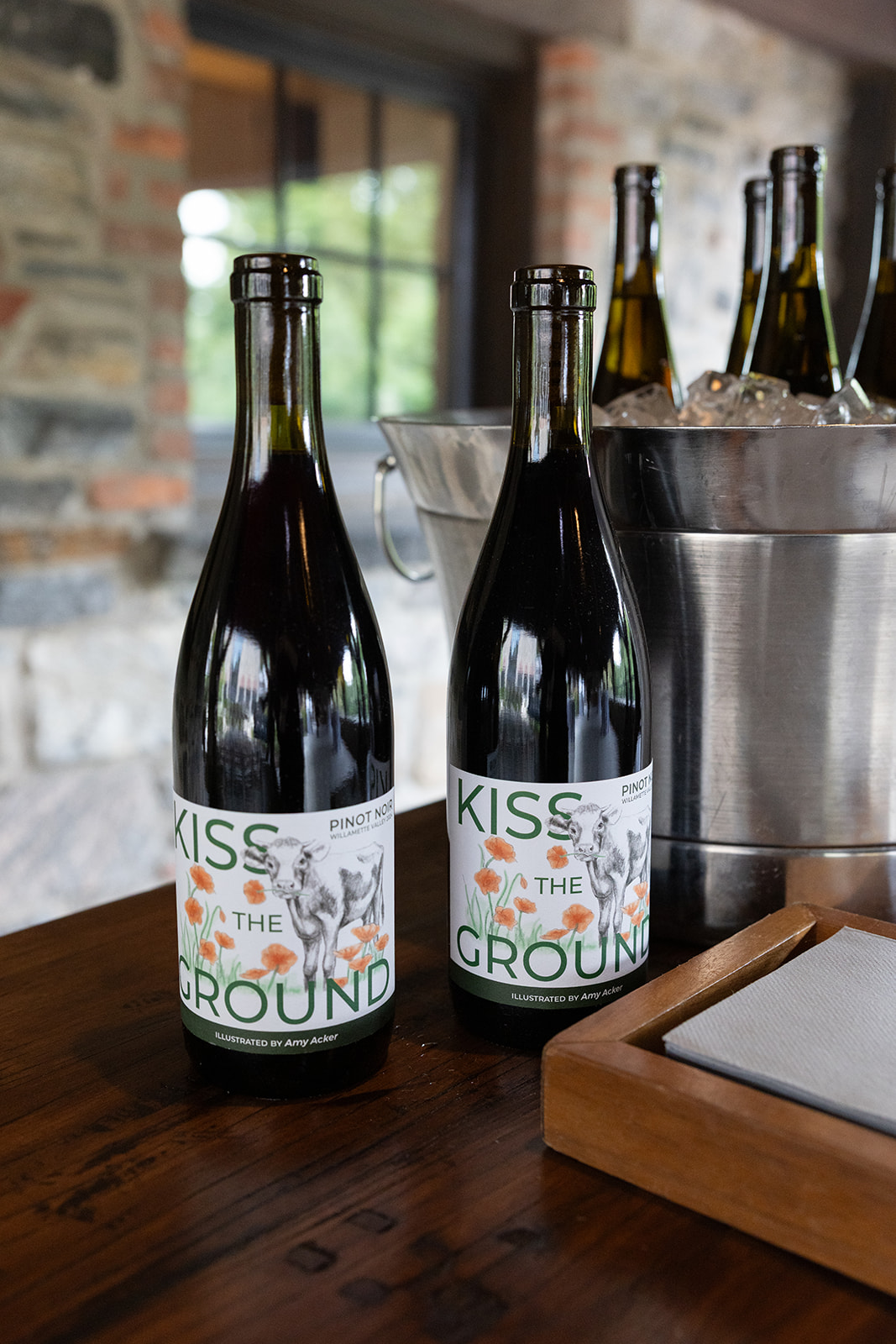
Janie is a long-time supporter of Kiss the Ground, including providing the Kiss the Ground wine label with proceeds benefiting Kiss the Ground through 1% for the Planet. In 2004, Janie Brooks Heuck dedicated her life and career to carry forward the legacy of her late brother Jimi Brooks.
An influential force in the Willamette Valley winemaking community, Jimi founded Brooks Wine, pioneered biodynamic farming in the region, and inspired neighboring farms to invest in soil health.
As Brooks Wine continues to evolve, Janie remains committed to expanding the farm’s regenerative practices and deepening their impact within the Regenerative Movement.
We sat down with her for 11 rapid-fire questions—no geek speak, just real talk.
I think the biggest part was my summers. We spent all of them in the Central Oregon area: hiking, biking, swimming, boating, and golfing. I spent 100% of my time outdoors.
The scent of warm pine trees is still one of my most soothing, favorite things. I seek it out as often as I can because it brings back a calmness that I remember as a kid.
Brooks was founded by my brother, Jimi Brooks. We were born and raised in Portland, and he went to college in the Willamette Valley to play football. After graduating, he didn’t know what he wanted to do, so he bought a one-way ticket to Europe and worked odd jobs to keep traveling.
One of those jobs was a grape harvest for a really small family winery. He became very connected to the family and what they were doing and loved it so much that he went back for six harvests. While he was there, he got married and had a baby in Poland.
Eventually, he decided it was time to move back to the U.S. to raise his family. When he returned, he went right out to the Willamette Valley and got a job as a vineyard manager. They brought him in to be an assistant winemaker and then in 1998, they allowed him to start his own brand.
Jimi was pretty outspoken and full of ideals and ideas. He wanted to restore the reputation of Riesling in Oregon, where the cool climate is ideal for that kind of grape, and he brought biodynamic farming to vineyards in Willamette Valley, which didn’t exist at that time.That’s where it all started.
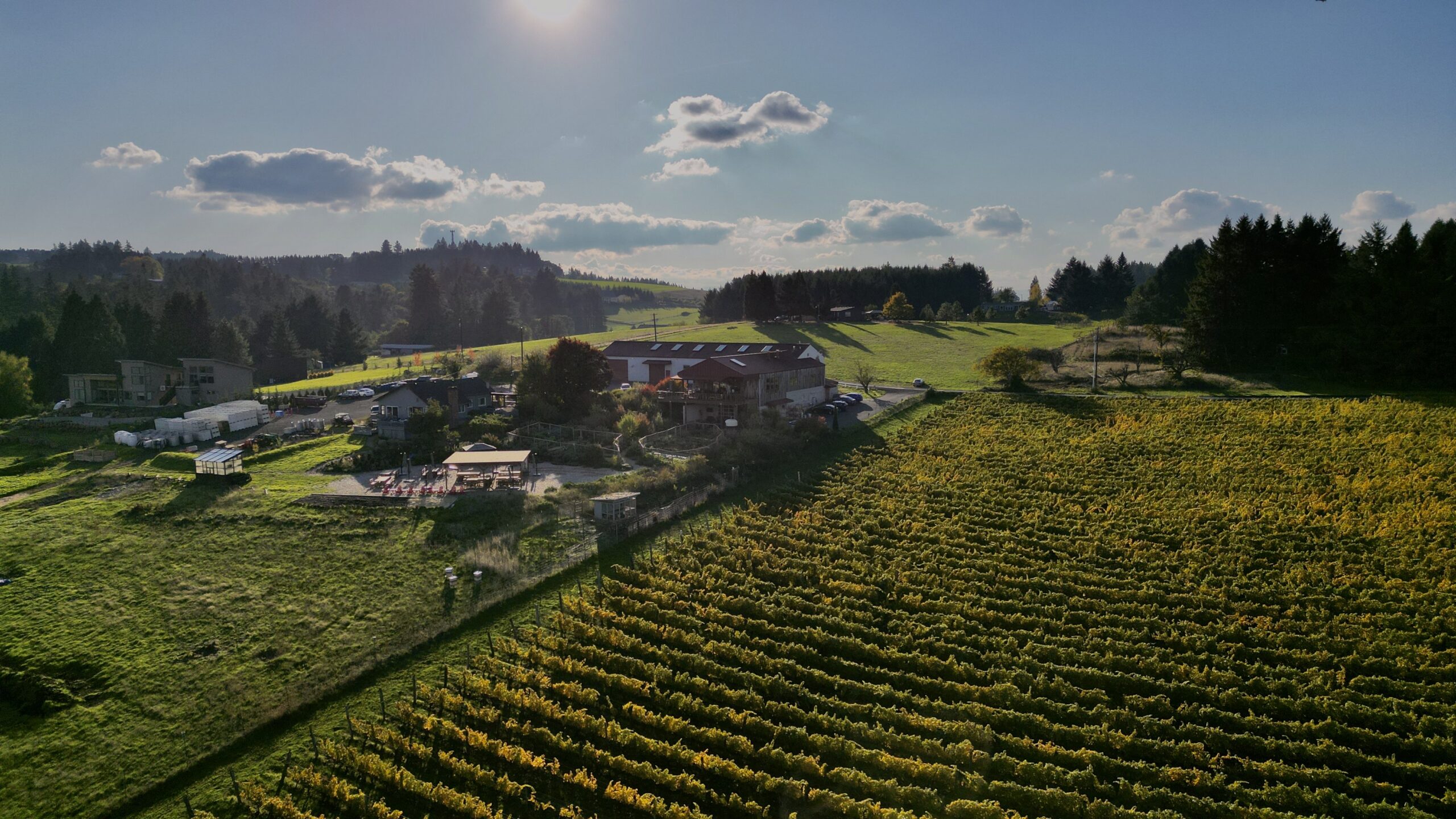
Today, our vineyard and winery are still certified biodynamic and we still make Riesling. Both have been a big part of our journey.
I think the length of time we’ve been committed to biodynamic farming. There aren’t many wineries that have been championing it since the late ‘90’s. We got certified, continue to be certified, and wear it very proudly on our wine labels and website.
We try to cast the widest net possible to do the right thing for the environment—whether that’s beekeeping, regenerative farming, or being members of 1% for the Planet.
There is still a lack of knowledge around these practices, but we want to keep bringing new energy and conversation to people.
“There is still a lack of knowledge around these practices, but we want to keep bringing new energy and conversation to people.”
My elevator pitch is that it’s ‘organic plus’. It’s all the wonderful things that come with organic farming—like the purity and care for the land—plus nine additional preparations we can do throughout the growing season that support the land, soil, plant health, and ultimately the fruit.
Biodynamic is also eliminating any kind of herbicides, pesticides, or anything that isn’t good for soil health or plant health. Using practices like under-row cultivation, for example, to be able to extract weeds without using any chemicals was a big part of it.
The first time I heard the word ‘regenerative’ was at a B-corp conference. We took a field trip to a farm outside of Los Angeles that was pursuing a regenerative-organic certification.
What I loved was how self-explanatory the word is in a way ‘biodynamic’ is not. Regenerative casts a wide net: Whatever you’re doing, the goal is replenishing the soil. There are a lot of different ways people can participate, and people are doing it on different scales.
I also learned about the idea of closing the system, and that sometimes it’s plausible, and sometimes it’s not. For example, our farm is five acres, so we don’t have enough land for grazing animals. We still have a ways to go.
I hope that in a couple of years, we will have 60 acres under our control and our own crew. That may give us enough land to have some animals.
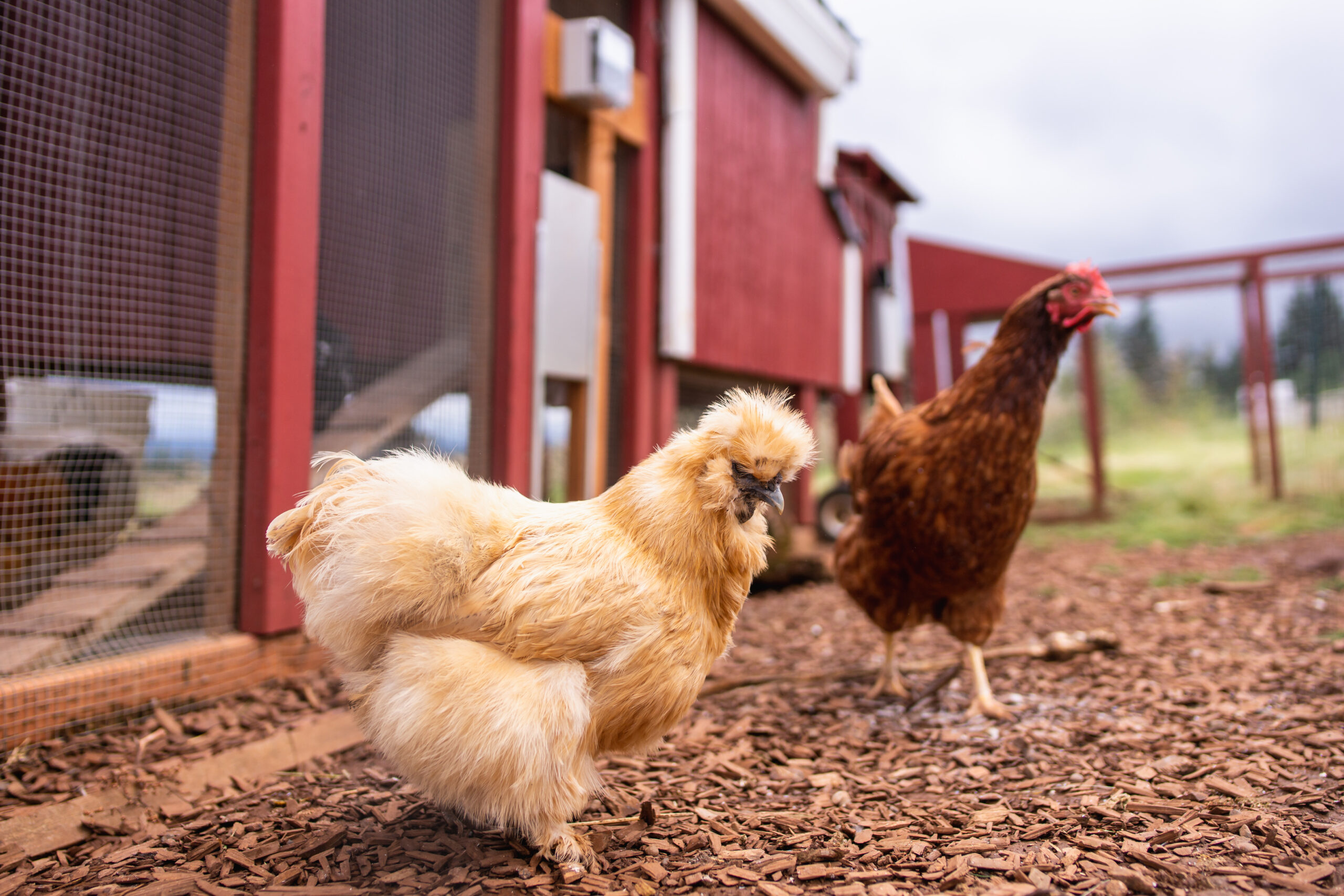
In the meantime, it’s all about doing what we can with what we have. We have chickens and bees. We’re part of the way there.
“In the meantime, it’s all about doing what we can with what we have. We have chickens and bees. We’re part of the way there.”
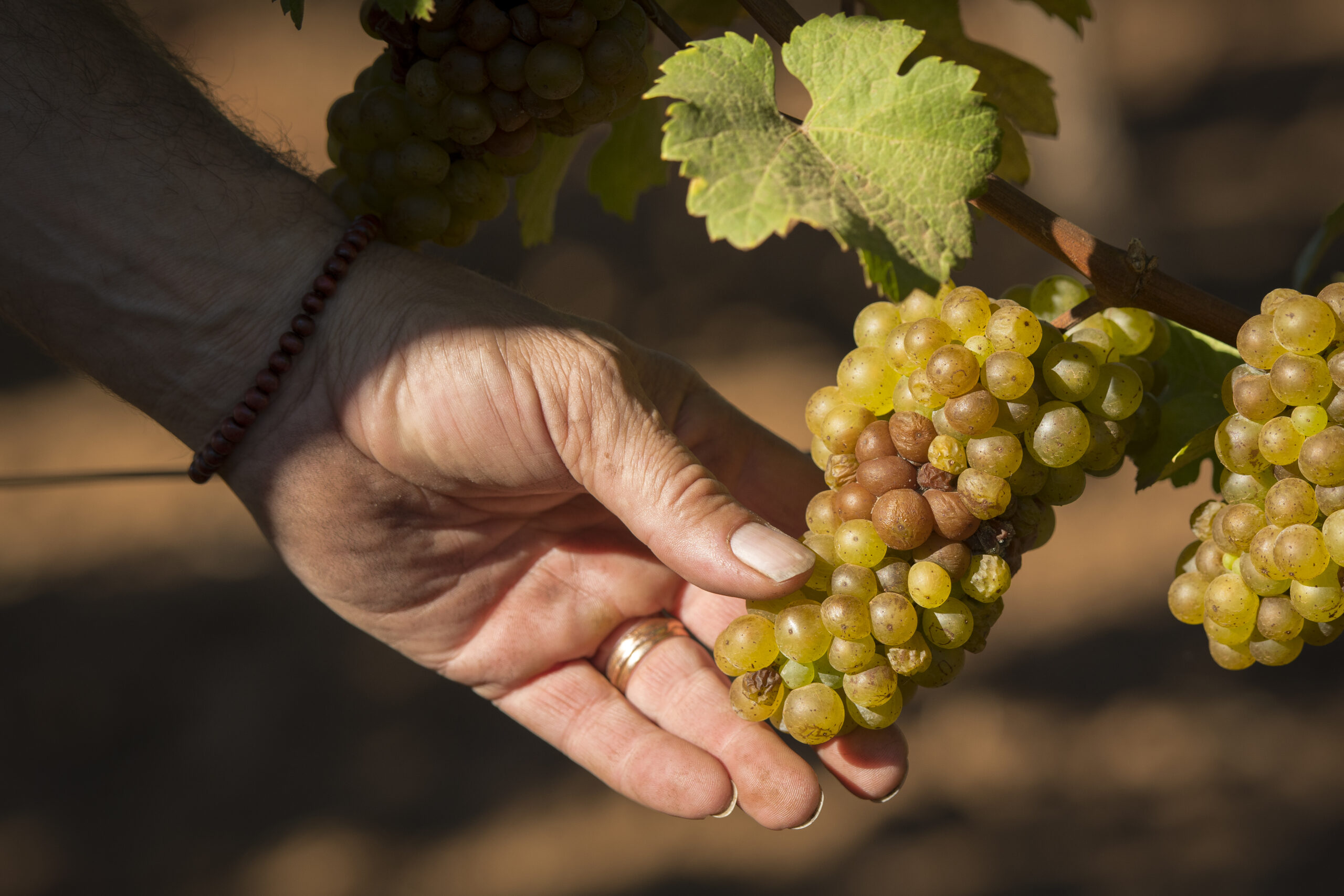
We see it in the overall health of the plants and the fruit. We have some of the oldest vines in the Willamette Valley, and the vigor, production, and quality of the fruit we get off of our vines is definitely some of the top anywhere. I completely attribute that to our farming approach.
Back when we first started farming our vineyard biodynamically, we were having a lot of problems with deer coming in and eating the tips of the vines. We had vineyards across the street and right below us with no deer fencing anywhere, but their vines were untouched.
We all went out and sampled tendrils from the different plants at the other vineyards. Ours were so much sweeter. The other ones had a much more chemical taste.
The deer knew where they wanted to go.
My brother actually started a biodynamic group in the ‘90’s. Many people from the group have not only implemented biodynamics but have gotten their farms certified. The group still meets today.
After 26 years, our winemaker and gardener still attend the group on a regular basis. It’s part book club, part sharing of preparations and stories, and part visiting each other’s farms.
If I had one thing to jump in about, it would be our sustainability commitments. I always lead with biodynamic farming.
There’s so much agriculture in the Willamette Valley, so understanding the differences between the farming practices and the resulting products is a great teaching moment.
Wine knowledge can be a pretty small niche, but there is a large audience out there who don’t know about commonly used farming and winemaking approaches in this country that are not healthy for us.
That’s why I love talking about the importance of biodynamics, both for the land and in the winery. It’s a very thoughtful process that guides us and prevents us from doing any sort of manipulation to the wine.
Nobody can look at you with a straight face and say conventional-chemical farming is good for you or the land. I think that is where you start. I would walk them right through it and show them that the investment is not that different, but the difference in taste is pretty obvious.
I think where wine runs into a challenge is scalability. Conventional farming happens in the first place because investors and venture capitalists are looking for a return on their money. I don’t know that they care about the health of the land.
Protecting that takes more voices like Kiss the Ground—sharing messages in a way that’s hopeful and non-threatening, and giving people the education and tools to take action.
“Nobody can look at you with a straight face and say conventional-chemical farming is good for you or the land.”
I’m bringing my brother to the party.
My brother was so influential—not only in biodynamic farming, but in all the other things he was pioneering in the industry. He didn’t take no for an answer. He would argue with you until you saw his point and prove it to you however he had to.
I’d also bring someone in the manufacturing industry who doesn’t get it yet but is open to the conversation. My brother would convince them.
I would bring my brother’s wine: the 2002 Janus Pinot Noir which is the epitome of a pure, delicious wine.
Written by: Kyrstl Densmore
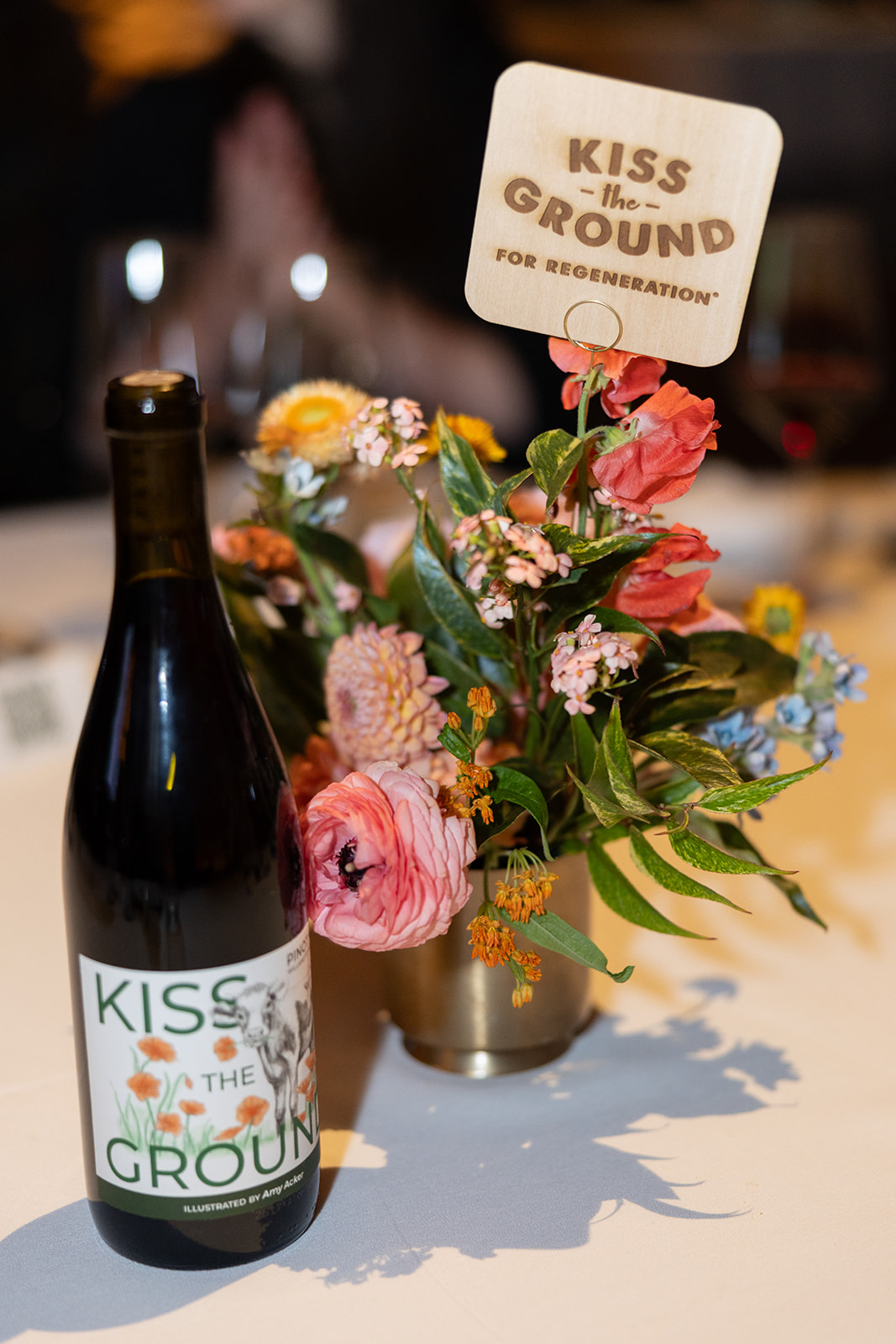
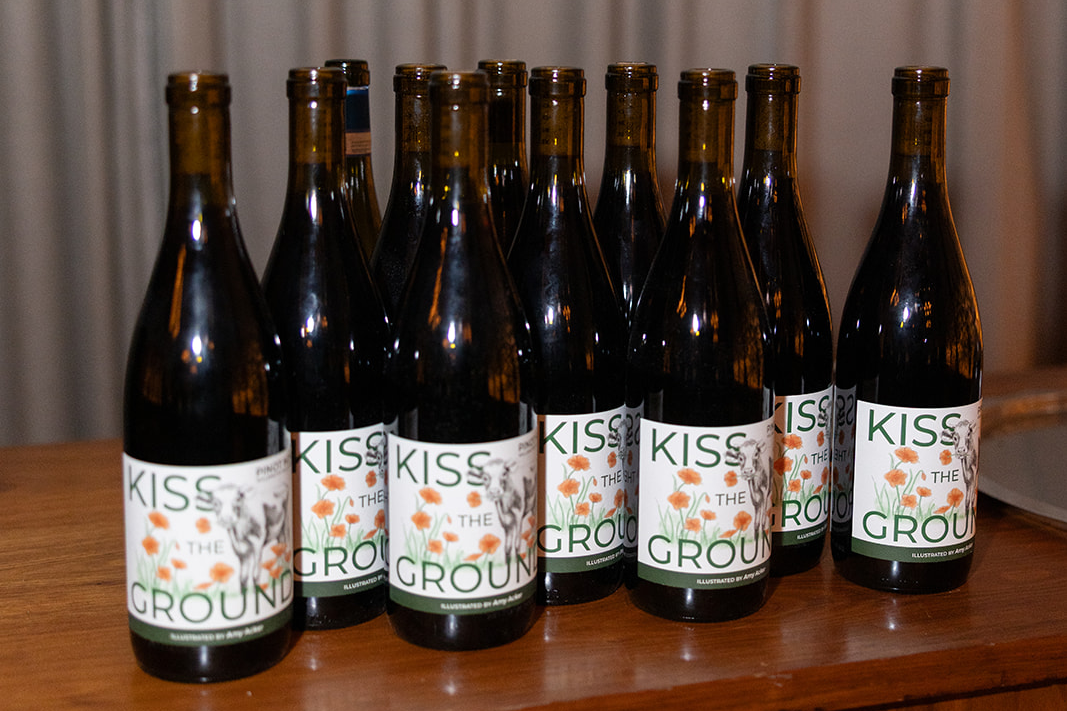
We are excited to celebrate the inaugural release of a limited Kiss the Ground Wine, produced exclusively by Brooks Wine.
Featuring an original illustration from acclaimed actress Amy Acker, the label celebrates retired dairy cows, the farmers and chefs advancing managed grazing, and the movement regenerating our soil.
*Minimum Donation $2,500

Kiss the Ground’s approach and impact are stronger with Partnerships. For every $100 donated to Kiss the Ground, we inspire and catalyze the transition of 10 acres into regenerative agriculture, working directly with farmers and partners – this could be you.