
In 11 questions and 11 minutes, Kiss the Ground CEO Evan Harrison interviews leaders pioneering Regeneration as they work towards advancing a solution for human and planetary health.
In 11 minutes and with 11 questions, Kiss the Ground CEO Evan Harrison interviews leaders pioneering Regeneration as they work toward advancing a solution for human and planetary health.
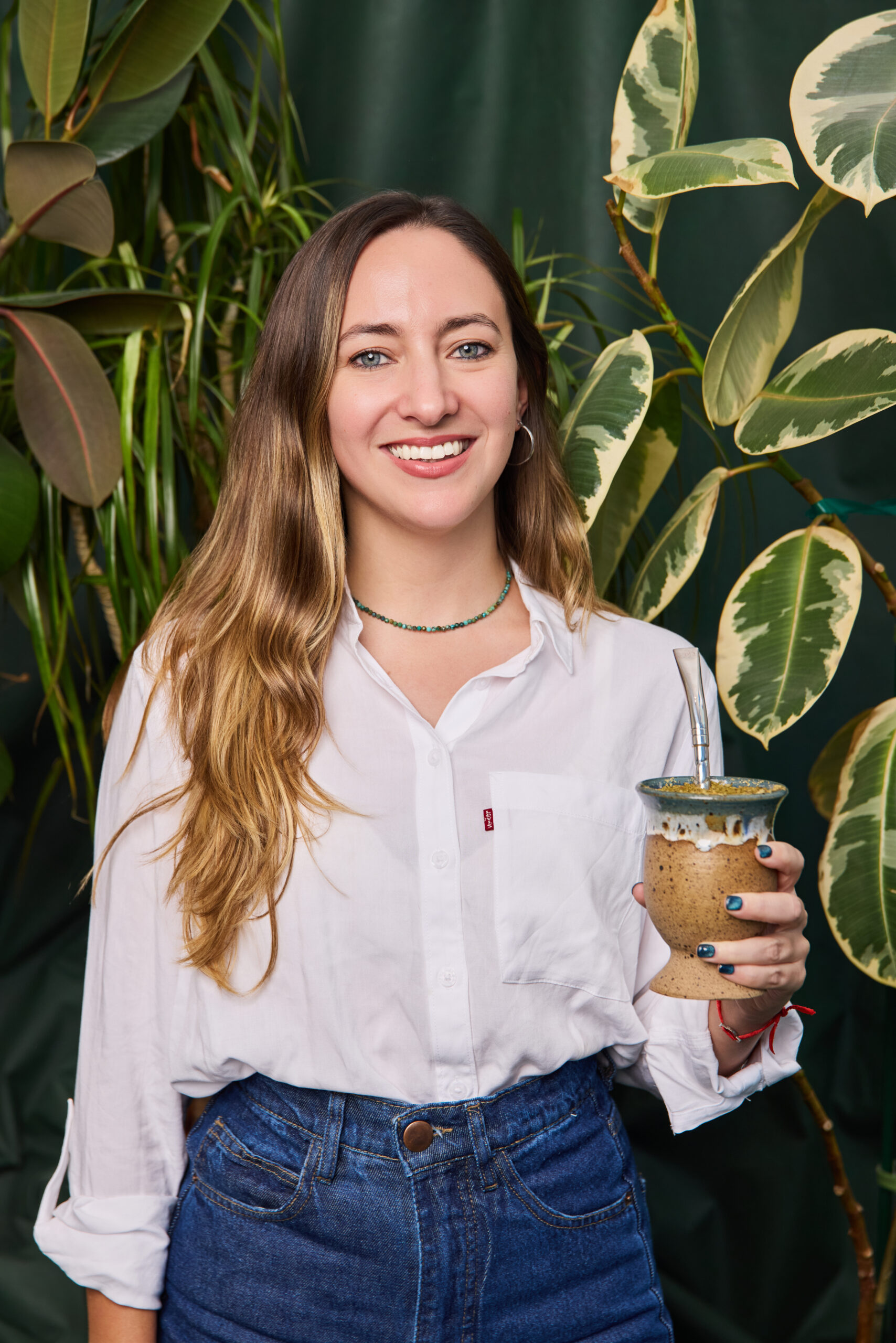
Rocio is the Impact Director at Kiss the Ground partner Yerba Madre, where she has spent more than a decade advancing the company’s regenerative and environmental initiatives.
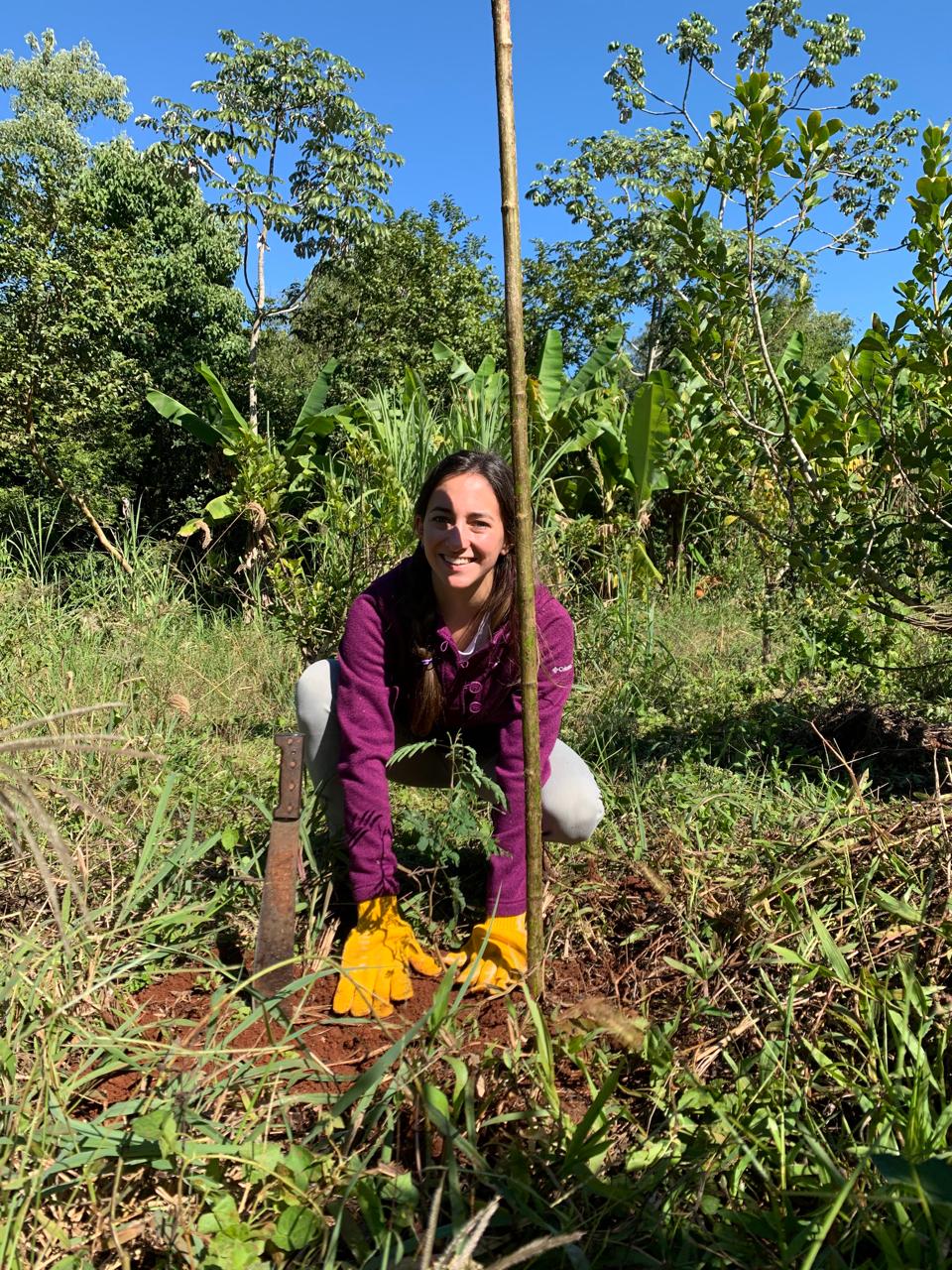
Raised in Argentina, she developed an early connection to nature through family trips and time spent in the Atlantic Forest region, where yerba mate is grown. That curiosity led her to study agricultural engineering and dedicate her career to regenerative food systems that support both ecosystems and farming communities.
Today, she helps lead the regenerative vision behind Yerba Madre, working to expand shade-grown yerba mate while honoring the cultural traditions and Indigenous knowledge at the heart of mate culture. She is passionate about using business as a force for regeneration—restoring forests, improving soil health, and creating meaningful connections between consumers, farmers, and the land.
We sat down with Rocio for 11 rapid-fire questions—no geek speak, just real talk.
I remember family trips into nature being really important for me.
Also, visiting the forest in northeastern Argentina, where our yerba mate comes from. Later, I decided to study agricultural engineering, even though I had no farming background in my family and no real connection to agriculture—it was simply curiosity and a love for being outdoors.
That decision opened an entirely different universe for me. It helped me understand firsthand the realities of rural life, where our food comes from, and the people connected to the land.
From then on, I became convinced that I wanted to work in food production, but in a way that also cared for the land, ecosystems, and communities behind it.
It’s easy to forget that, 30 years ago, mission-driven food and beverage companies were not the mainstream. Our founders were early to see how business could be designed for good.
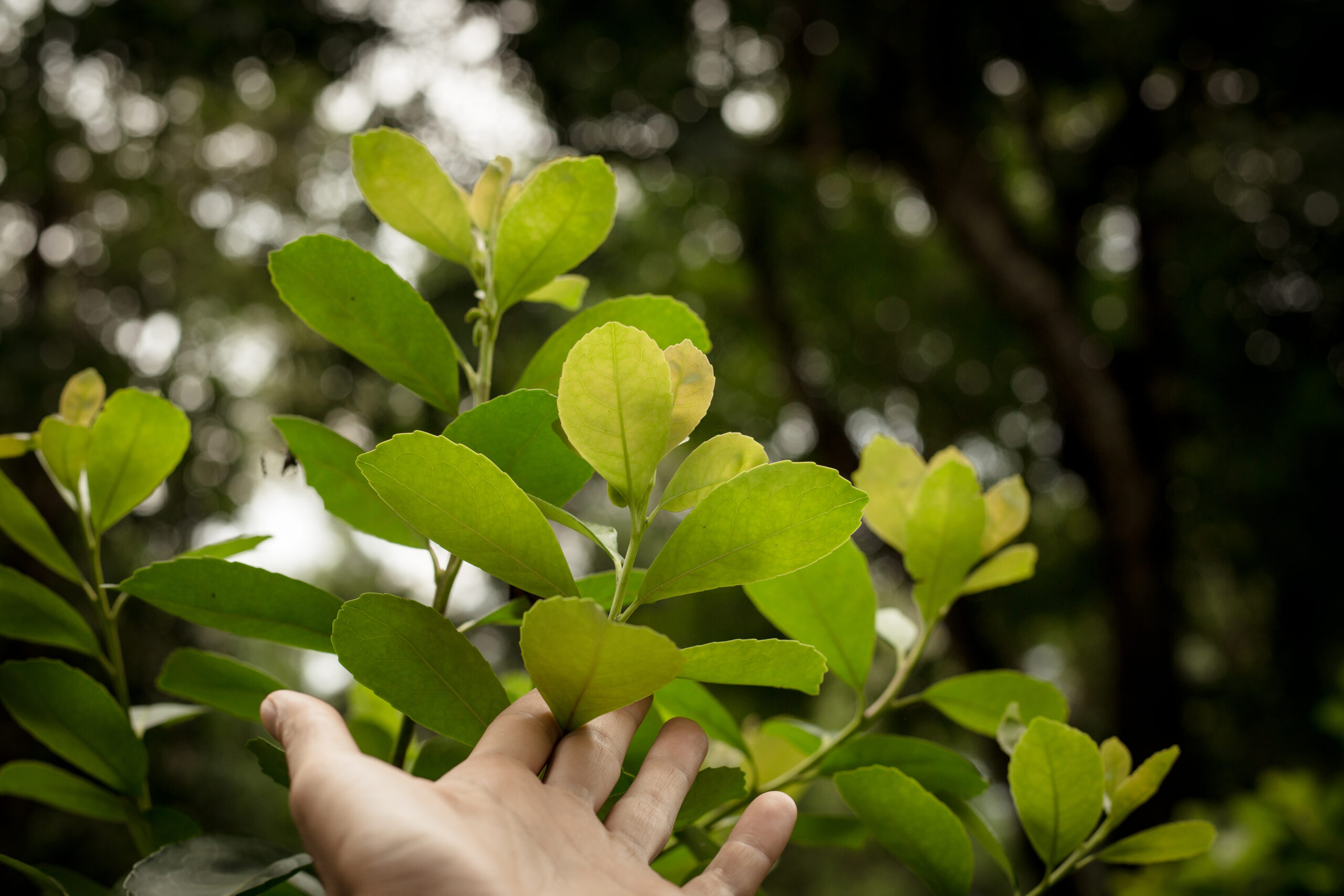
Yerba mate made that bet feel possible. The plant thrives beneath the forest canopy, part of a thriving ecosystem that Indigenous communities have cared for across generations. And for the US caffeine consumer, mate offered something better too: calm focus, a natural lift, and a moment of connection.
Even in these fast-paced times, I think people are searching for things with meaning, transparency, and values that align with their own.
Their vision became the foundation for what we now call Market Driven Regeneration™ and that model has led to recent milestones like launching the world’s first Regenerative Organic Certified® Gold yerba mate and creating a first third-party verified Shade-Grown Standard.
“Even in these fast-paced times, I think people are searching for things with meaning, transparency, and values that align with their own.”
Yerba mate is native to the Atlantic Forest region, but more importantly, it’s part of our identity in South America; it’s part of our daily lives.
It’s how we wake up, how we wait for a friend to arrive, how we share conversations, plans, and meaningful moments.
Traditionally, mate is shared in a circle. One person, called the cebador, prepares and pours the mate for everyone. You drink it fully, hand it back, and it continues around the group.
Even in the Ready-to-Drink versions, that spirit of connection and ritual remains at the heart.
It provides a steady boost without the intense spike or crash that often comes with coffee or other caffeinated beverages.
It’s a more gradual, natural energy that helps sustain you throughout the day.
Regeneration is deeply integrated into our business model. The more mate that is consumed, the greater the impact we can have on forests and farming communities.
Our yerba mate is grown using regenerative agriculture and shade-grown systems, meaning it’s cultivated alongside native trees within the forest ecosystem itself.
As we grow mate, we are also helping conserve and restore the Atlantic Forest while supporting farmers with fair prices above market value.
“In many ways, it’s simple: More mate, more impact.”
There’s a wide spectrum of production systems within our supply chain. Some Indigenous communities in Brazil harvest wild yerba mate growing naturally within dense forests, just as they’ve done for generations.
Other farmers are transitioning away from monoculture systems because they see declining yields and poor soil health. They’re realizing that the solution is to return to biodiversity and agroforestry.
These systems don’t just produce one product. The trees can produce fruit, support pollinators, provide honey, and create multiple forms of value from the same land.
Not yet fully mainstream, but we are seeing encouraging momentum.
More and more farmers are approaching us, saying, “I want to convert my system.”
They’re seeing that mate plants grown with tree cover perform better during droughts and remain healthier overall. Ten or twenty years ago, these ideas were considered radical. Today, there’s growing recognition that this is the right direction.
We also recently launched a third-party verified Shade-Grown program so consumers can better understand how their products are grown.
We want to continue growing both the yerba mate category and our impact.
Yerba mate is still relatively new for many consumers in the U.S., so education remains important. All of our yerba mate is now certified regenerative organic, and our long-term goal is to transition more ingredients across our supply chain to regenerative systems.
In some ingredient categories, regenerative supply chains barely exist yet, so we’ll need to help build them alongside suppliers and farming partners.
We feel a responsibility to remain true to yerba mate’s origins.
That doesn’t mean every consumer must drink it traditionally from a gourd, but it does mean we should consistently honor and share the Indigenous and cultural knowledge behind the product.
Even though canned beverages are now our best-selling products, we still aim to preserve the spirit of connection, sharing, ritual, and community that mate represents.
Change takes time. We need to meet people where they are and communicate in ways that feel accessible rather than overly technical.
At the end of the day, we want people to understand that even a simple ritual—sharing mate —can become a meaningful act of participation in regeneration.
What gives me the most hope is collective action. Regardless of political or economic conditions, we always have the ability to come together around shared goals.
The first person who comes to mind is Vandana Shiva (environmental activist and food sovereignty advocate). I deeply admire her work and perspective on biodiversity and agriculture. I’d also invite legendary Argentine folk musicians like Mercedes Sosa and Atahualpa Yupanqui, whose music is deeply connected to land, culture, and rural life.
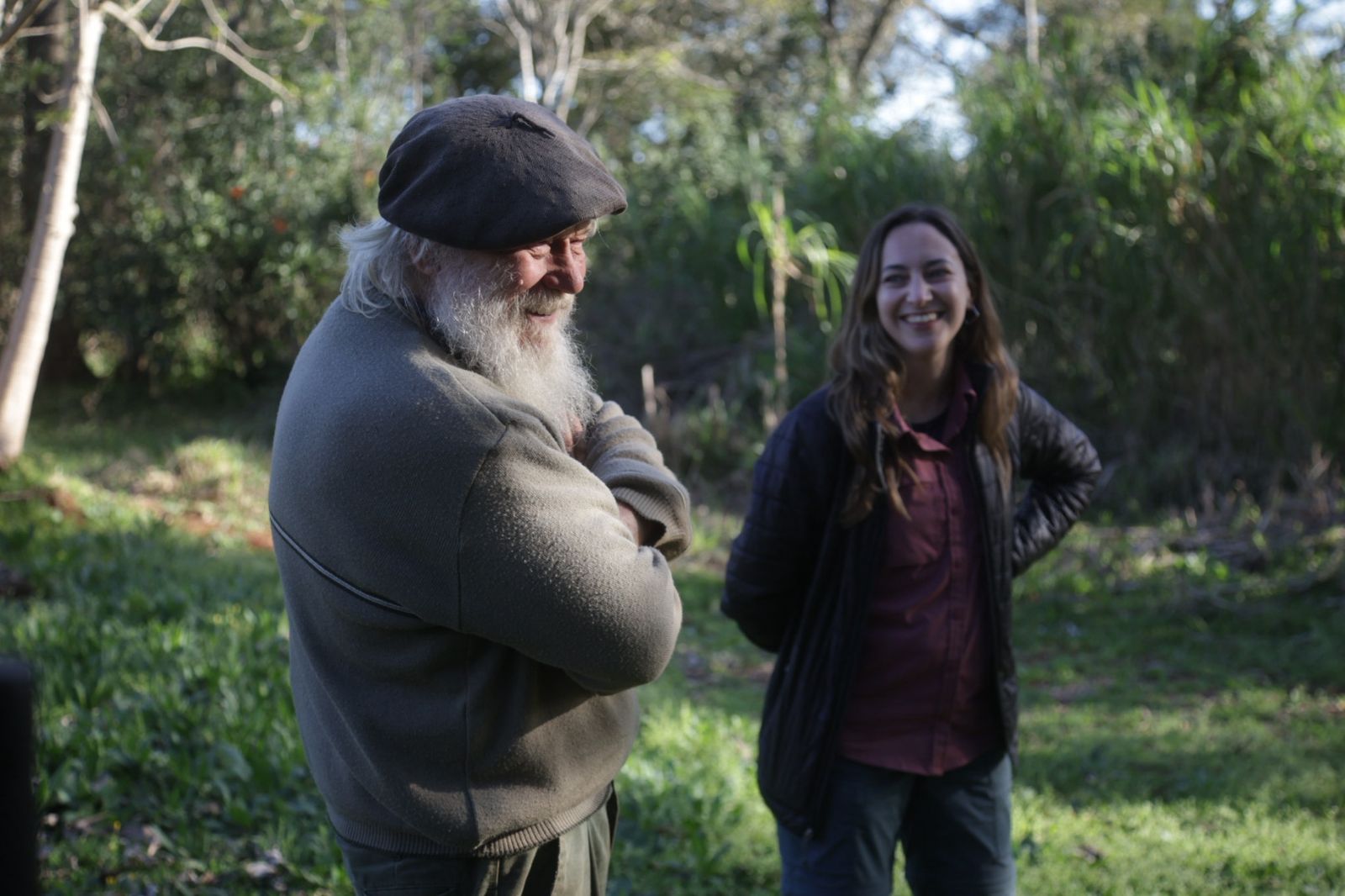
And most importantly, I’d invite farmers and Indigenous leaders. They are the people truly bringing regeneration to life every day.
For food, we’d probably serve regenerative beef with salads from local gardens, and of course, we’d share mate together.
I think one of the most important things is bringing farmers and consumers closer together. That connection matters deeply.
Written by: Kyrstl Densmore
Kiss the Ground’s approach and impact are stronger with Partnerships. For every $100 donated to Kiss the Ground, we inspire and catalyze the transition of 10 acres into regenerative agriculture, working directly with farmers and partners – this could be you.