
In 11 questions and 11 minutes, Kiss the Ground CEO Evan Harrison interviews leaders pioneering Regeneration as they work towards advancing viable solutions for human and planetary health.
In 11 questions and 11 minutes, Kiss the Ground CEO Evan Harrison interviews leaders pioneering Regeneration as they work towards advancing viable solutions for human and planetary health.
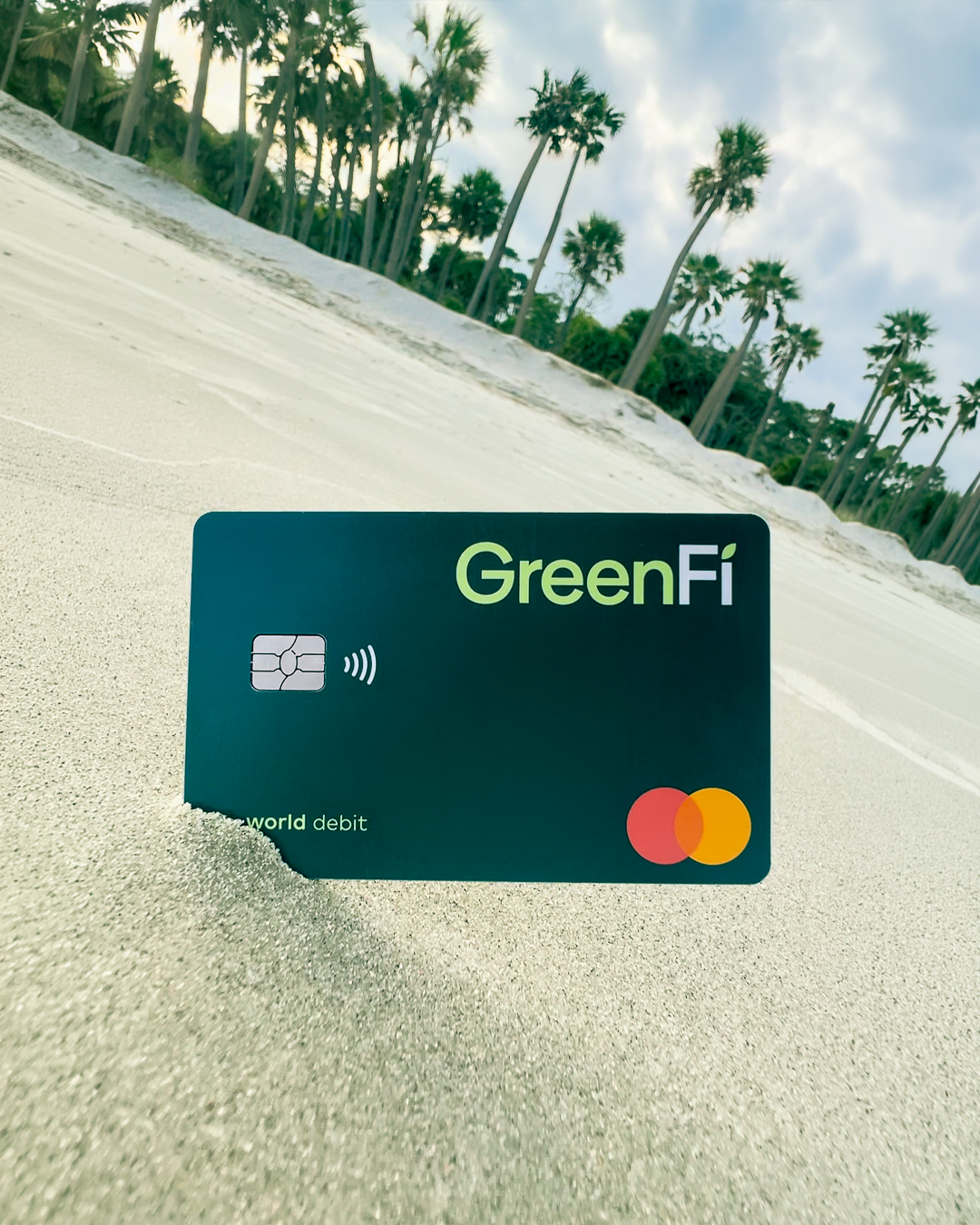
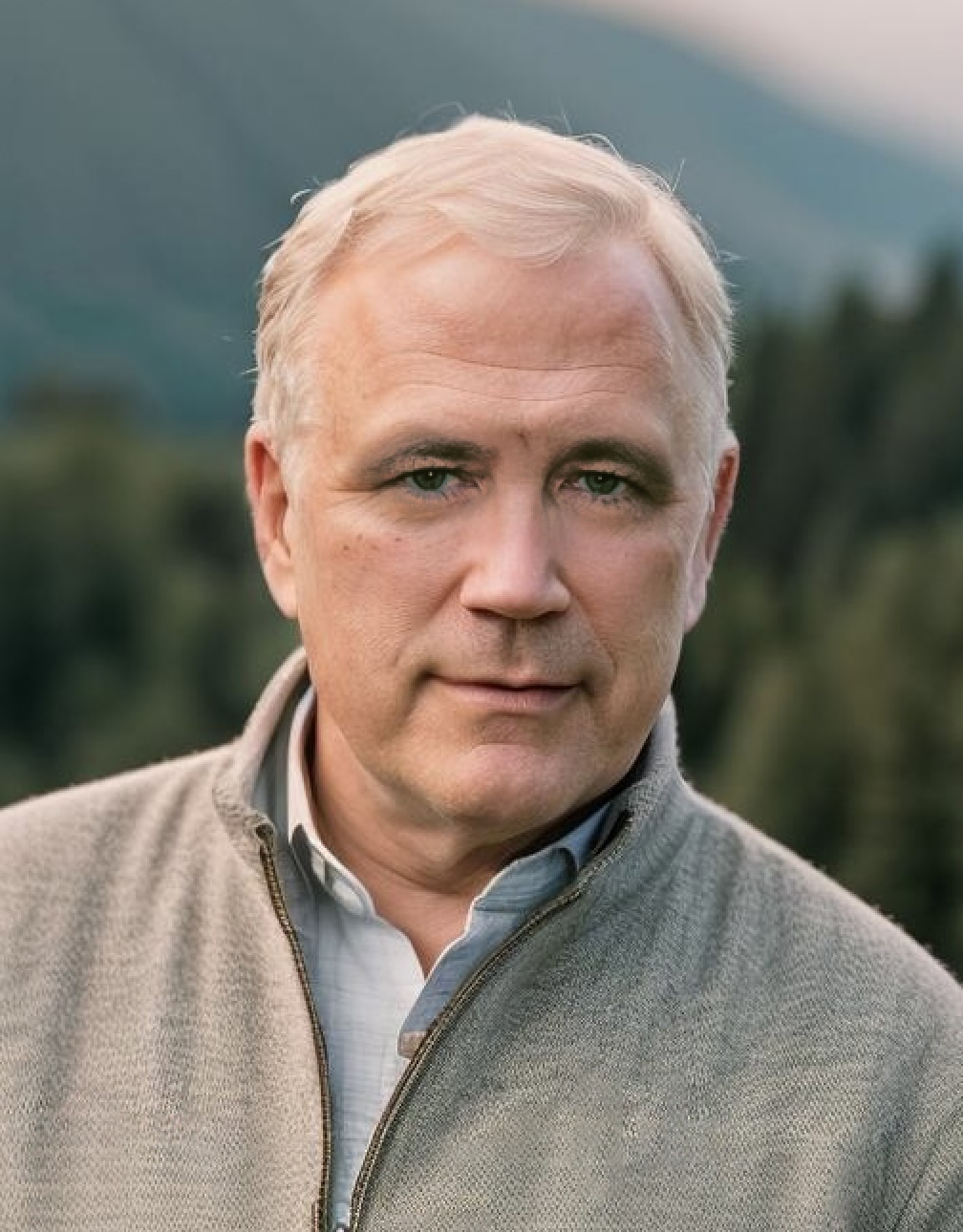
Tim Newell is the Founder and CEO of Kiss the Ground Partner GreenFi, a financial technology company helping people align their everyday banking decisions with their environmental values.
His connection to nature began on his family’s Vermont farm, where he learned from his grandfather that when the land is cared for responsibly, it can provide for generations. That early lesson eventually shaped his career in sustainable finance, from co-founding New Resource Bank, one of the first sustainable banks in the U.S., to working at Tesla and ultimately launching GreenFi.
Today, Tim is working to make the environmental impact of banking more visible and give consumers greater choice in how their money is used. He believes that the same principles behind Regeneration—patience, stewardship, and long-term thinking—can help reshape the financial system.
We sat down with Tim for 11 rapid-fire questions—no geek speak, just real talk.
One of my earliest memories is tagging along with my grandfather as he tapped maple trees on our family’s farm in Vermont.
The maple grove has been in our family for generations. Each generation took what the trees could give while leaving the grove healthy for the next.
I didn’t have the words for it back then, but that experience taught me something I’ve carried throughout my life: You can make a living from the planet without using it up.
“You can make a living from the planet without using it up.”
My first job where I wasn’t mucking stables or doing construction was as a bank teller when I was 19, working at a community bank on the Army base in Fort Riley, Kansas.
During lunch, I’d sit with the bank’s president, a retired Army general named Red Fuller, who taught me something fundamental about banking: People deposit their money, and the bank decides what to fund with it.
Years later, I co-founded New Resource Bank, one of the first sustainable banks in the United States. I also worked at Citi and Tesla, where I began to see that technology wasn’t necessarily the biggest barrier to advancing sustainability; financing was.
Take solar energy, for example. Consumer solar adoption accelerated when financing options like leases and loans made it more affordable, not simply because the technology improved.
That’s when I realized that money isn’t just a tool for environmental change. It may be one of the biggest levers we have to make it happen.
“Money isn’t just a tool for environmental change. It may be the biggest lever that we have.”
We often think about the environmental impact of what we buy, eat, or drive, but we don’t really think about the impact of our money sitting in a bank account.
The reality is that your money isn’t just sitting there. The bank lends it out, and you don’t really have a say in where it goes.
If you’re banking with one of the 10 largest U.S. banks, which most Americans do, up to 30% of those deposits directly support the fossil fuel industry, including oil, gas, coal, and pipelines.
A lot of the research around this comes from Project Drawdown, and based on that research, moving the average American’s money to a green bank that doesn’t finance fossil fuels could avoid a little over 4.5 tons of CO₂ emissions annually. That’s more than the impact of driving an electric vehicle or going vegan, and about three times the impact of an average residential solar system.
So you could drive an electric vehicle, put solar panels on your roof, and make environmentally conscious choices every day, while your checking account is still financing the problem you’re trying to solve.
Where you bank is probably the biggest climate decision most people can make, and one of the easiest to change. You don’t have to change your lifestyle. You can simply move your money.
It’s an easy decision for an individual consumer to make. But when thousands and thousands of people make that same decision, you can start to see real impact.
We started GreenFi almost three years ago, and building the company has definitely been a journey. We’re still a startup, with about $350 million in assets under management across our deposit and investment products. That’s very small compared to the larger banks, but we can serve customers in all 50 states and continue to grow.
Our intention is to expand beyond our current banking services to offer additional products, including credit cards, solar loans, and other loans that can help customers make more sustainable choices.
One important distinction is that GreenFi is a financial technology company, not a bank. We provide the technology customers use to manage their money, while the deposits are held at our partner bank, Coastal Community Bank in Washington State.
For customers, the experience is very similar to traditional banking. Through the GreenFi app, you can check your balance, make deposits and withdrawals, transfer funds, and access climate-friendly investment options.
Your eligible deposits are also FDIC-insured, and we can distribute funds across multiple participating banks to provide access to approximately $1 million in deposit insurance coverage.
The important difference is that we ask participating banks to pledge that deposits associated with our program won’t be used to fund fossil fuel projects or loans.
So, while the everyday experience of managing your money feels familiar, you have the opportunity to make a more intentional choice about what your money supports.
“In the meantime, it’s all about doing what we can with what we have. We have chickens and bees. We’re part of the way there.”
Our biggest challenge is awareness.
There are millions of Americans who care deeply about climate change and are already making choices to reduce their environmental impact. They’re considering what they drive, what they buy, how they power their homes, and where they invest.
But many still don’t realize that their bank accounts can be part of that equation.
The idea that you have to choose between having a positive financial impact for yourself and having a positive impact on the planet is a false choice. People simply haven’t been offered the right options.
For example, if your money is sitting in a checking account at one of the 10 largest banks, you’re probably earning very little interest. With GreenFi, for qualifying customers, our savings accounts are currently paying about 3.25%. That’s a meaningful difference in what your money can earn, especially compared to accounts paying little or no interest.
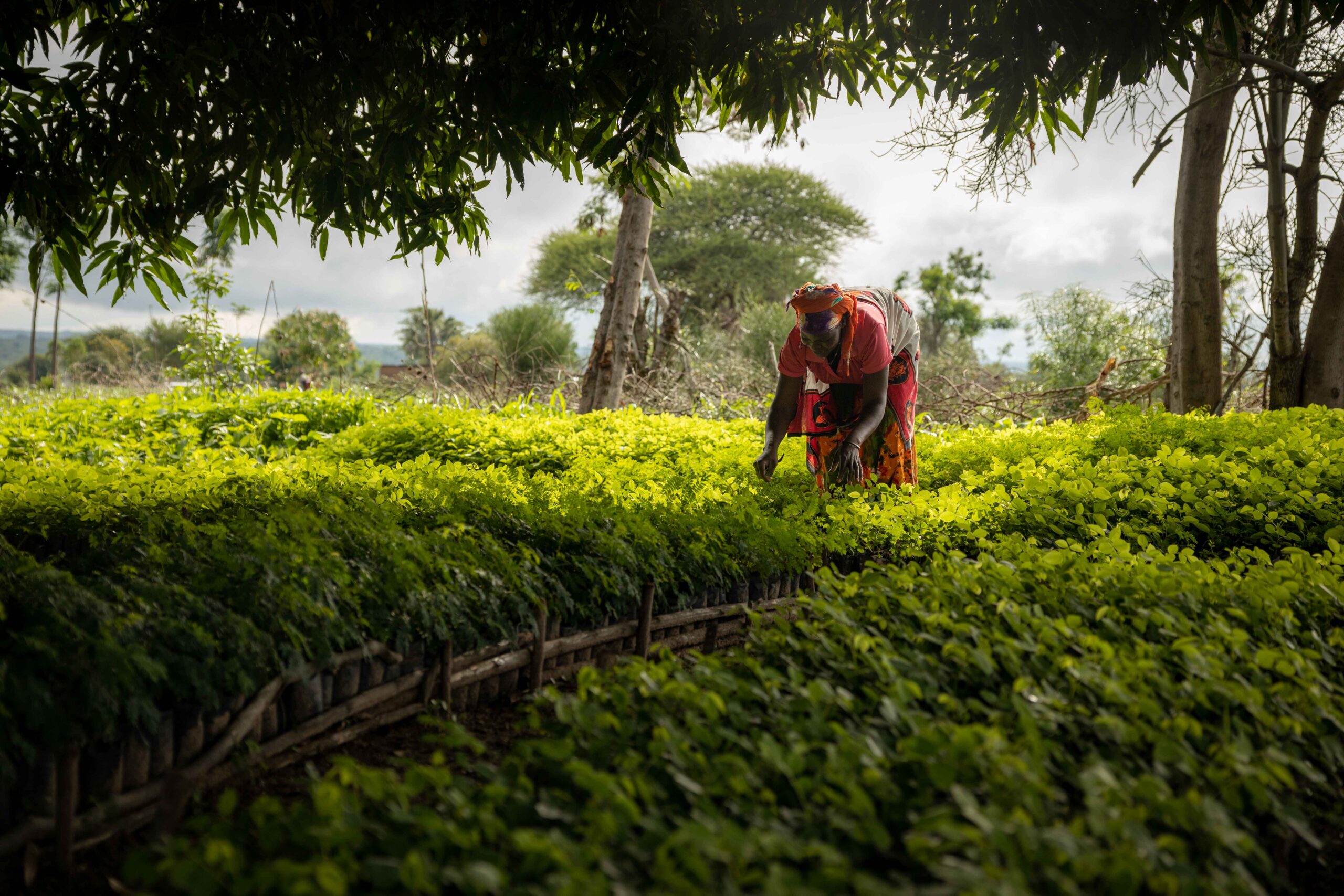
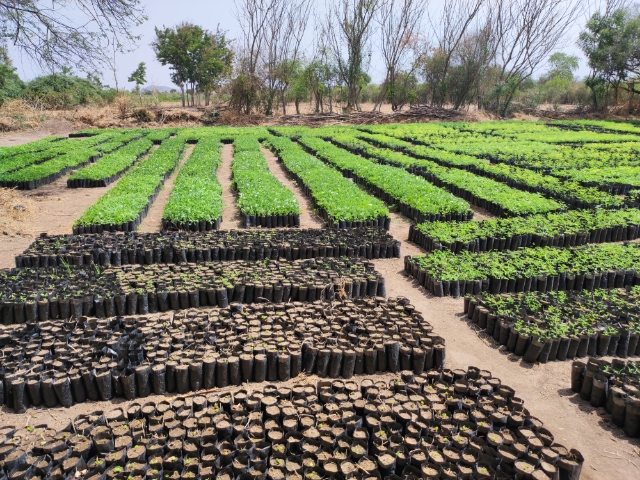
We also give customers the option to support tree planting through everyday debit card purchases. Together with customers from our predecessor company, that program has helped fund the planting of more than 37 million trees around the world.
No individual customer signed up for banking thinking they would plant millions of trees. But when people make small decisions together, that impact adds up.
Patience.
I always come back to my grandfather’s maple grove. You take what a tree gives you for the season, but never so much that it can’t give back the following year. That grove has lasted generations because nobody tried to maximize one year’s sap production at the expense of the future.
Business often operates differently. We’re focused on quarterly earnings and immediate returns.
Nature teaches us that meaningful growth takes time. Soil is a perfect example, and it’s why Kiss the Ground’s work is so important. You don’t rebuild healthy soil in a quarter. Nature compounds slowly, but it compounds. You just have to give it patience and time.
If we could be more patient with our business practices, we could have what we want in terms of economic progress and what we need in terms of sustainability.
I’d like to see a future where the way we’re doing business today seems completely outdated, particularly the idea that environmental costs can be left off the books.
Right now, our economy largely treats pollution and climate damage as free. But those costs don’t just disappear. Electricity from a coal plant only looks cheap because the health costs of its pollution aren’t reflected in anyone’s electric bill. And banks lend money to fossil fuel projects around the world without factoring in the climate damage those projects will cause.
Eventually, the bill comes due, and it usually lands on households and taxpayers. If we actually accounted for the true costs of these projects, we’d invest very differently.
In 10 years, I’d like to see a financial system where those costs are part of every equation from the start, where the 10 largest banks are having the same conversations we’re having today, and considering environmental impact is simply a normal part of doing business.
I also hope we reach a point where Regeneration isn’t treated as a new or special idea. It’s simply recognized as the right way to practice agriculture because it’s a smart approach that can deliver returns over the long term.
First, we are already working to make that impact more visible. Through our Plant Your Change program, customers can choose to support tree planting when they make purchases with their debit cards. Then their statements show how many trees they’ve helped plant, so they can see their collective impact adding up over time.
Environmental impact can sometimes feel abstract, so seeing a tangible result helps people understand how their everyday decisions contribute to something bigger.
The next step I’d love to see is greater transparency about what deposits are funding—or not funding. Your bank statement tells you how much money you have, but it doesn’t tell you what that money is doing in the world.
Imagine having an impact line alongside your account balance that helped you understand where your money was going. That kind of transparency would give people the information they need to make more intentional choices.
For the first billboard, I’d ask a simple question: “What is your money doing while you sleep?”
I think that would make people stop and consider something they probably haven’t thought much about before.
Then, right behind it, I’d put a second billboard that says: “Invest in the change you want to see.”
The idea is to help people recognize that their money is doing something, whether they’re actively thinking about it or not, and they have choices about what they want that money to support.
Ultimately, the message is simple: Fund the solution, not the problem.
My first guest would be George Washington Carver. Most people know him for his work with peanuts, but he was really a regenerative farmer before there was a term for it. He taught Southern farmers how to restore soil depleted by cotton by rotating in peanuts and sweet potatoes.
My second guest would be Elinor Ostrom, who was the first woman to receive the Nobel Memorial Prize in Economic Sciences in 2009. Her work showed how communities can successfully manage shared resources like land, forests, and water over generations without relying on outside intervention. In many ways, it’s the economic theory behind what my grandfather’s family practiced with their maple grove.
My third guest would be Mark Twain, or Samuel Clemens, because he’d keep us honest, challenge our self-importance, and make sure everyone was laughing.
If I could invite a fourth person, it would be Robin Wall Kimmerer, author of Braiding Sweetgrass and The Serviceberry. Her work is really about the idea that giving back to the land creates lasting abundance.
For dinner, we’d eat whatever local regenerative farms in Vermont were harvesting that week and I’d make sure to include sweet potatoes and peanuts in honor of Carver. For dessert, we’d have homemade vanilla ice cream topped with warm Vermont maple syrup, which is a version of a recipe that goes back a long time called Sugar and Snow.
As for music, I’d choose bluegrass, maybe Alison Krauss, because of its deep roots in rural communities.
Written by: Kyrstl Densmore
Kiss the Ground’s approach and impact are stronger with Partnerships. For every $100 donated to Kiss the Ground, we inspire and catalyze the transition of 10 acres into regenerative agriculture, working directly with farmers and partners – this could be you.