From asparagus to strawberries, taste the tender, bright, hydrating, and nutrient-packed produce of the season.
Our team built this guide to help you lay your spring table with regeneratively-grown produce harvested at the peak of freshness, for delicious meals that help support local farmers, reduce environmental impact, and reconnect you with the rhythms of the Earth.
Leafy greens are powerhouses for cell and nervous system function, digestion, bone and brain health, and more! Darker greens generally contain higher levels of antioxidants and minerals.
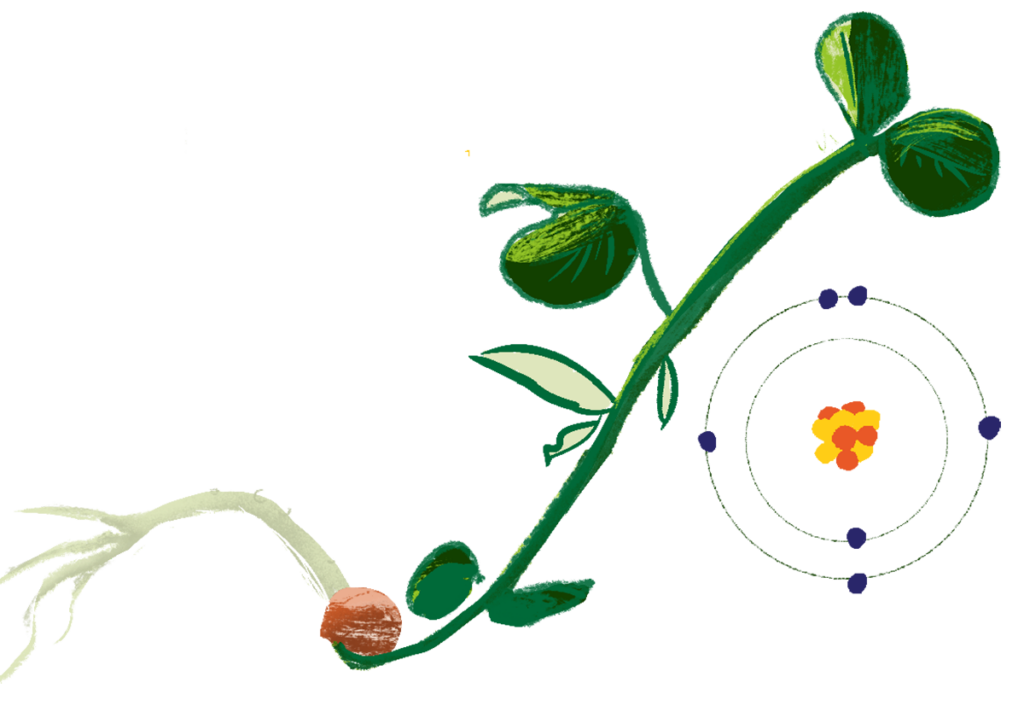
Along with soil microbes, the roots of peas, beans, lentils, clover, and other legumes help convert nitrogen gas (78% of the air we breathe) into plant-usable forms of nitrogen, creating amazing underground fertilizer factories.
Tender Harvest
Asparagus – Peas – Radishes – Green Onions – Fava Beans – Rhubarb* – Artichokes – True baby carrots (Nantes or Parisian) – New Potatoes
Light and hydrating, these spring favorites pack a punch with folate, iron, and antioxidants from their vibrant colors.
*Although rhubarb is commonly used in pies, jams, and other sweet treats, it’s actually a vegetable. In 1947, a U.S. court ruling classified rhubarb as a fruit for commercial purposes, helping cement its place in the dessert world. Its intensely tart flavor is often balanced with sweeter ingredients, and only the stalks are eaten—as the leaves are not considered safe to consume.
Beautiful Brassicas
Broccoli – Cauliflower – Cabbage – Bok Choy
More than just a fancy word for cabbage, these veggies are high in vitamin C and fiber, as well as glucosinolates, which are linked to cellular protection.
These flavor-boosters are surprisingly nutrient-dense despite their small serving sizes and often contain more antioxidants per gram than many vegetables.
Krystl's Herbaceous Spring Potato & Asparagus Salad
Boil potatoes until fork-tender. In the last 60 seconds of cooking, add asparagus and blanch until bright green.
Drain the potatoes and asparagus, then immediately plunge into ice water to stop the cooking. Set aside to drain fully in a colander.
Prepare the dressing by placing all the ingredients in a mason jar with a tight-fitting lid and shaking vigorously. *Bonus points for shaking it to your favorite sunny-weather song!
Add the potatoes, asparagus, chopped herbs, and dressing to a bowl and gently stir to combine.
Can be served at room temperature or cold from the fridge.
Fruits of the Season
Avocado – Kiwi – Lemons – Strawberries – Apricots
Spring’s sweetest offerings bring refreshing flavor and nutrients like vitamin C, potassium, and fiber to the table.
Use our Regenerative Farm Map to find local farmers producing seasonal fruits and veggies!
What’s in season can vary by region. Check out this seasonal food guide* and your local farmers market to see what grows near you, or better yet, grow your own!
*The data in the Seasonal Food Guide comes from the Natural Resources Defense Council, state departments of agriculture, and university extension programs across the U.S.
This resource is brought to you by Natural Factors, a proud Partner of Kiss the Ground.
Check out our dozens of other Purchasing Guides below.
Kiss the Ground is an audience-supported nonprofit. Your support funds free resources, guides, and courses that move the Regenerative Movement forward.